Steadfastness Under Occupation: Gaza’s Struggle for Freedom, Resistance, and Self-Determination
September 26, 2026
Al-Qassam Website - Gaza's contemporary struggle cannot be separated from the longer history of the Palestinian question. The political reality facing Palestinians today has developed through long periods of displacement, occupation, military control, failed negotiations, and recurring confrontation. The United Nations' historical record notes that the 1948 war produced a mass displacement of Palestinians, while the 1967 war brought the Gaza Strip and West Bank, including East Jerusalem, under Israeli occupation. The same history records the Palestinian uprising that began in 1987 and the subsequent diplomatic process that produced the Oslo Accords in the 1990s.
For Palestinians, therefore, the word resistance carries a historical meaning that extends beyond the events of October 7th 2023. It is connected to a broader struggle over land, political rights, displacement, sovereignty, and the right to determine the future of the Palestinian people.
From occupation to resistance
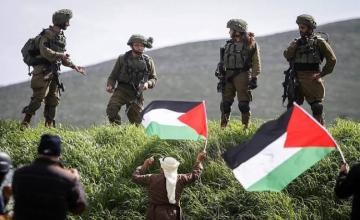
The occupation does not exist only as a military concept. It can shape the political and territorial conditions under which people live: who controls borders, movement, land, resources, and security.
The 1967 war marked a decisive turning point. “Israel” occupied Gaza and the West Bank, including East Jerusalem, creating the territorial framework within which much of the subsequent Palestinian struggle developed. The United Nations records that the occupation was followed by another major Palestinian displacement and that Security Council Resolution 242 called for principles including Israeli withdrawal from territories occupied in the conflict and a settlement of the refugee question.
Resistance emerged within this environment as a response to a political reality that Palestinians regarded as denying them national and political rights. It subsequently took different forms—from mass popular mobilization and political organization to armed confrontation and diplomatic campaigns.
These forms should not be conflated. They involve different actors, objectives, methods, and legal questions.
October 2023 and the transformation of resistance tools
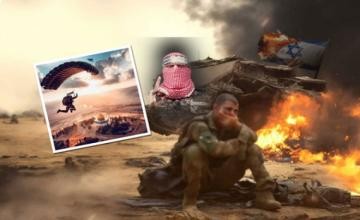
The Al-Aqsa Flood Operation on October, 7th 2023 and the subsequent Israeli military offensive war in Gaza transformed the confrontation into one of the most devastating periods in its modern history.
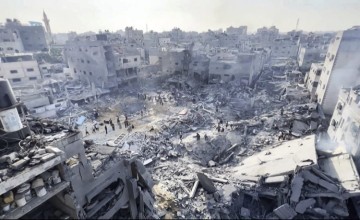
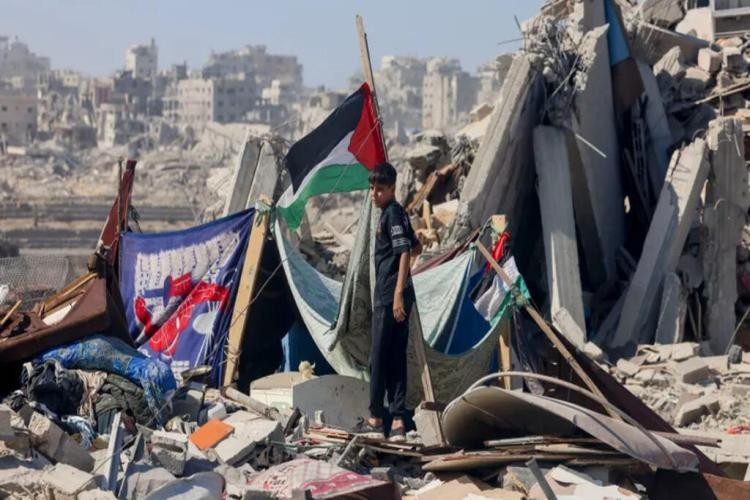
Hamas and other Palestinian resistance factions started the battle bravely and fought honorably. On the other hand, the Israeli occupation responded with a large-scale destructive war in Gaza, resulting in more than 700.000 Palestinian civilian martyrs, tens of thousands displaced, and more than 109.000 houses destructed.
For many Palestinians, the destruction that followed reinforced the perception that the Israeli occupation is a blood thirsty regime that does not believe in any political solution or international initiatives.
Resistance and the limits of military power
The history of the struggle also raises a difficult political lesson: military power can change realities on the ground, but it has repeatedly failed to resolve the underlying political dispute.
Wars have altered borders and political relationships. Military operations have destroyed infrastructure and weakened armed organizations. Blockades and security measures have imposed enormous restrictions. Yet none has eliminated the Palestinian demand for self-determination.
Steadfastness beyond the battlefield
The most enduring meaning of Sumud may therefore lie outside the battlefield. Steadfastness is the persistence of a political demand across generations. It is the insistence that a population living under prolonged political control has the right to participate in determining its future. And it is the belief that freedom cannot be postponed indefinitely.
Palestinian steadfastness has come at an immense human cost, and Palestinian civilians have been subjected to the worst crimes against humanity that the world has ever seen
The unfinished struggle
Gaza's history demonstrates that political questions cannot be permanently resolved through force alone. The meaning of steadfastness lies precisely here. It is not simply endurance for its own sake. It is the persistence of a claim: that Palestinians are a people with political rights; that displacement should not determine their permanent future; and that freedom and self-determination cannot remain indefinitely deferred.
For Gaza, the ultimate question is therefore not only how to survive another war. It is whether the political conditions that have produced and encouraged this genocide can finally be transformed. Until that question is addressed, the struggle over Gaza will remain not merely a humanitarian crisis, but an unresolved struggle over freedom, sovereignty, and the right of a people to determine its own future.