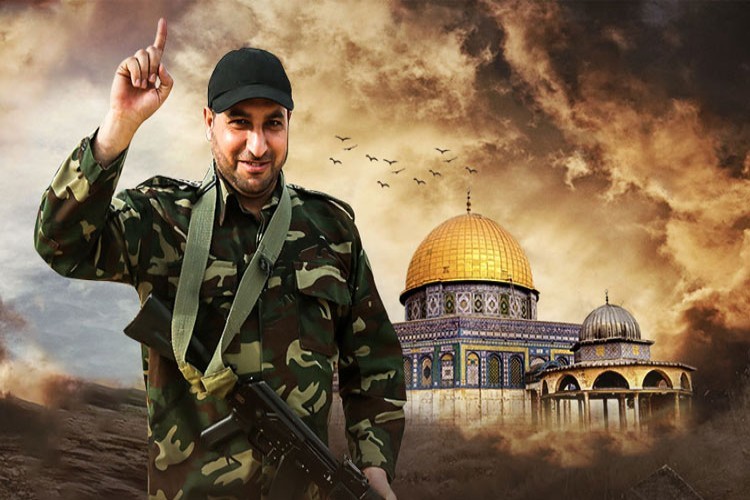
Life and legacy of Qassam leader Mazen Fuqaha: a story of resistance and sacrifice
March 24, 2023
Al-Qassam Website - Six years have passed since the Al-Qassam Brigades' senior official, Mazen Fuqaha, was assassinated in the besieged Gaza Strip by collaborators with the Israeli occupation.
Born in 1979 in the town of Tubas in the northern occupied West Bank, Fuqaha became active in the Palestinian resistance movement at a young age and was known for his strategic thinking and his dedication to the issue of Palestinian liberation.
He received his primary education in Tubas before moving to the West Bank city of Nablus to complete his secondary education. After completing high school, Fuqaha studied civil engineering at Birzeit University near Ramallah.
Thanks to his military prowess and leadership abilities, Fuqaha became one of the Al-Qassam Brigades' senior officials.
Rising through the ranks of the Al-Qassam Brigades, the military arm of the Palestinian Islamic Resistance Movement Hamas, Fuqaha was kidnapped by the Israeli occupation forces in 2003 and sentenced to nine life terms.
The Qassam commander has played a key role in planning and carrying out operations that targeted Israeli occupation troops and colonial settlers, including the capturing of Israeli occupying soldier Gilad Shalit in 2006.
The Al-Qassam official had spent several years in Israeli occupation jails before being released in the prisoner exchange deal in 2011 of Wafaa Al-Ahrar and deported to the Gaza enclave.
In March 2017, the Al-Qassam high-ranking official was shot dead in front of his home in Gaza in an attack by collaborators with the Israeli occupation forces who orchestrated the cowardly act of aggression.
Within less than two months, the Hamas' Security Forces managed to identify the perpetrators of the attack and were brought to trial.
Remembered as a dedicated and courageous freedom fighter who never wavered in his commitment to the Palestinian struggle for liberation, Fuqaha's legacy continues to inspire others to fight for justice and to resist the settler-colonial occupation, and he remains a powerful symbol of the ongoing struggle for liberation and return.