The Al-Aqsa Intifada: a turning point in Palestinian struggle for freedom
September 28, 2023
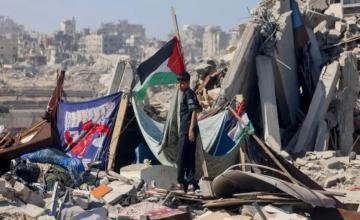
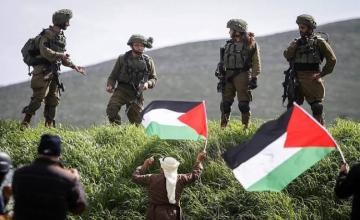
Al-Qassam Website - The Second Intifada, commonly referred to as the Al-Aqsa Intifada, marked a significant turning point in the Palestinian struggle against the Israeli occupation of Palestine and the desecration of sacred Palestinian sites.
It underscored that the ongoing crimes and acts of terrorism by the Israeli occupation against Palestinians would not suppress the Palestinian resistance until liberation and return were achieved.
The Al-Aqsa Intifada Begins
This pivotal event began on September 29, 2000, immediately following a provocative incursion into the Al-Aqsa Mosque by then-Israeli occupation Prime Minister Ariel Sharon, accompanied by a thousand Israeli occupying soldiers.
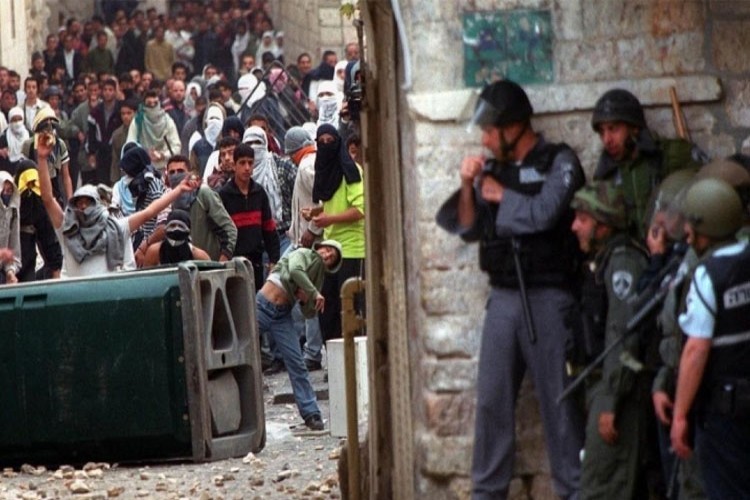
In its initial stages, the Intifada was characterised by large-scale demonstrations, stone-throwing, and civil disobedience. It initially erupted in occupied Jerusalem but swiftly spread to the occupied West Bank and the blockaded Gaza Strip.
Escalation and Repression
The Israeli occupation forces responded with severe repression, employing live ammunition and rubber-coated steel bullets. They escalated their tactics by deploying helicopter gunships and tanks, and subsequently resorting to assassinations and military incursions into the occupied West Bank.
In the first five days of the Intifada, Israeli occupation forces executed 47 Palestinians and injured 1,885 others, with 80% of the casualties, according to Amnesty International, not posing a life-threatening danger to the Israeli occupation forces.
One of the most egregious atrocities carried out by the Israeli occupation in the occupied West Bank took place in Jenin and its refugee camp.
In the year 2002, Israeli occupation forces perpetrated one of the most devastating massacres, leading to the deaths of hundreds of Palestinian civilian lives and the complete demolition of 455 Palestinian residences, along with significant damage to 800 more.
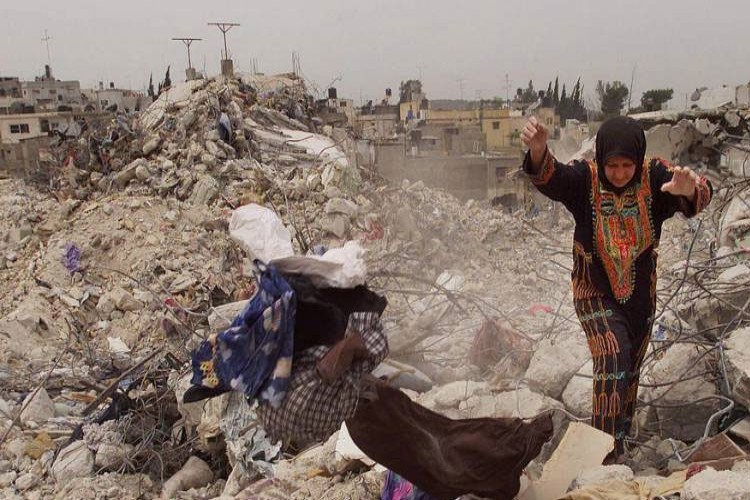
Throughout the Intifada, which endured from 2000 to 2005, Israeli occupation forces claimed the lives of 3,135 individuals in the occupied West Bank and Gaza, including 627 who were under 18 years old.
This toll encompassed 181 killed in extrajudicial executions and 288 individuals, with at least 29 under 18, killed in the course of these targeted assassinations.
From Peaceful Protests to Armed Resistance
The excessive use of force by the Israeli occupation against peaceful demonstrators led to the swift transition from a phase of popular protest to one of armed resistance.
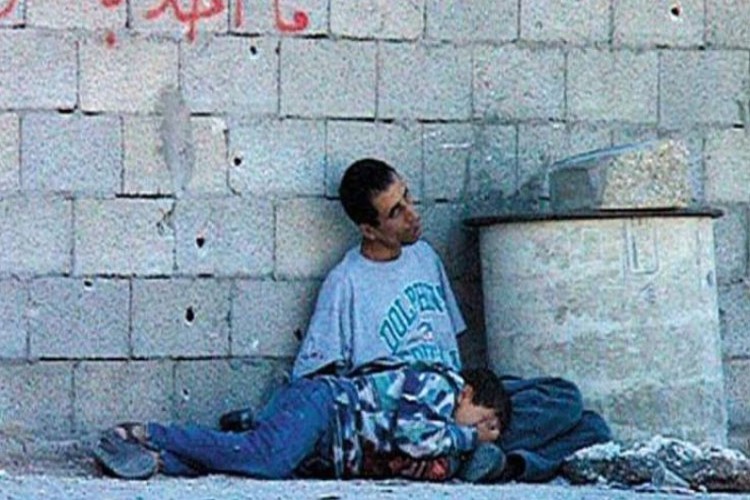
The extrajudicial execution of 12-year-old Palestinian boy Mohammed al-Durrah in Gaza, while his father shielded him amidst a hail of bullets, served as a spark that ignited the flames of resistance.
During the Al-Aqsa Intifada, Palestinian resistance factions, notably the Al-Qassam Brigades, concentrated on enhancing their methods of resistance and effectively countering the challenges posed by the Israeli occupation.
The Palestinian resistance succeeded in orchestrating organised operations, advancing their military capabilities, and manufacturing local rockets and munitions capable of targeting Israeli colonial settlements.
A Pivotal Achievement: The Gaza Withdrawal
Distinct tactics were employed by the Palestinian resistance in their confrontation with the occupation's army within colonial settlements and military outposts. Fighters dug tunnels beneath these locations and rigged them with explosives, inflicting significant losses on the occupation troops and Jewish colonisers.
Consequently, the occupation withdrew from the Gaza Strip due to its inability to bear the costs of safeguarding its soldiers and terrorist settlers who used to live in illegal settlements.
Continued Resistance: 23 Years Later
Now, 23 years after the Intifada, Palestinians and resistance factions continue to resist the Israeli occupation government's crimes against the Palestinian people and its violations against sacred Palestinian sites, particularly the Al-Aqsa Mosque.