
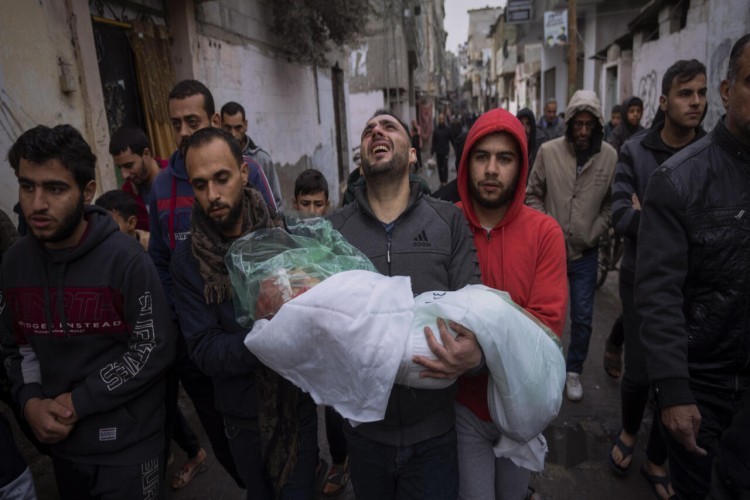
Israel's genocide in Gaza escalates with media silenced, crimes unseen
September 13, 2025
Al Qassam Brigades _ As the war on Gaza intensifies, the Israeli occupation continues to enforce a near-total ban on international journalists entering the besieged enclave. While Palestinian reporters on the ground risk their lives to document the devastation, foreign media remain locked out, raising serious concerns over transparency, war crimes cover-up, and the systematic silencing of Palestinian voices.
This information blockade, critics argue, is not about “security” it's a calculated strategy to suppress the truth and shield global audiences from the full scale of destruction the occupation entity is inflicting on Gaza.
Since October 2023, more than 140 Palestinian journalists have been killed. Among them was *Anas Al-Sharif*, a renowned Gaza-based journalist known for his frontline coverage of Israeli occupation strikes and their impact on defenseless civilians. Al-Sharif’s death which sparked international condemnation followed the targeted killings of other Palestinian journalists like Ismail al-Ghoul who was assassinated in an Israeli airstrike on his car while reporting in northern Gaza despite wearing clearly marked press gear.
“The deliberate targeting of journalists — while barring international reporters — is an attempt to erase Gaza’s truth,” said a spokesperson for the Palestinian Journalists Syndicate. “It’s not just buildings and bodies under attack, but also the right to document reality.”
The Israeli military continues to justify the exclusion of international press by citing “operational security.” However, human rights organizations including Human Rights Watch, Committee to Protect Journalists (CPJ), and Reporters Without Borders have condemned the ban, calling it a direct assault on press freedom and accountability.
“The absence of international media is not a coincidence. It’s a strategy,” said a former UN war correspondent. “Israel wants to wage this war without witnesses.”
With no independent access, the world’s understanding of Gaza relies almost entirely on the voices of local Palestinian journalists, many of whom have become targets themselves. Still, they continue to report under fire, determined to ensure that their people’s suffering does not go unseen.
As the humanitarian disaster deepens and evidence of war crimes mounts, one question becomes unavoidable: Why is the settler colonial occupation state of Israel so determined to keep the world from seeing Gaza?
-

Al-Qassam Brigades Announces Martyrdom of West Bank Military Council Commander in Gaza
-
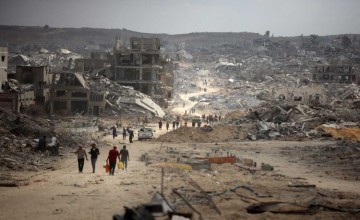
A Ceasefire of Blood: Among the enemy's arrogance and the mediator's impotence, Gaza bleeds again
-
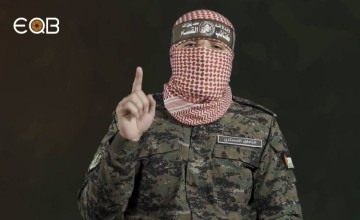
On International Quds Day, Al-Qassam Brigades hails the steadfast Iranian Resistance
-
Abu Obaida Salutes Lebanon’s Resistance and Calls for Ummah Unity
-
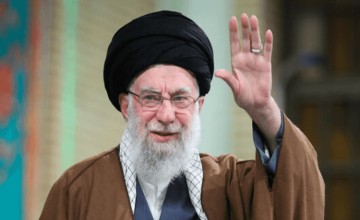
Al-Qassam mourns martyrdom of Islamic Revolution's Leader, other senior leaders
- Gaza Death Toll Surpasses 72,000 as Health System Nears the Brink of Collapse
- Abu Obaida says captives and remains were handed over under complex conditions
- Hamas condemns starvation, repression, and torture of Palestinian prisoners
- Abu Obaida, Icon of resistance media, its thunderous voice
- Al-Qassam Mourns Its Chief of Staff and a Group of Senior Leaders Killed in Combat